
Navigating Complete Local Care for Every Member of Your Family

Managing a modern household often feels like directing a complex, multi-ring circus. The average multi-generational family isn’t just balancing daily work commitments; they are simultaneously managing early childhood developmental needs, after-school logistics, preventative personal healthcare, aging parent support, and even pet care. When every member of the household has a distinct set of daily requirements, the mental load on family caregivers can quickly become overwhelming.
The secret to bringing sanity back to your weekly routine isn’t working more hours—it is building a localized support ecosystem. By anchoring your family’s routine within a consolidated geographical radius and partnering with trusted local professionals, you eliminate redundant travel time, reduce decision fatigue, and build a resilient safety net for your household.
This guide serves as a practical, step-by-step roadmap for evaluating, selecting, and coordinating local resources. By systematically organizing each layer of care, you can transition your family from surviving the daily rush to thriving in a well-supported home environment.
Early Childhood Care: Setting Up Safe, Nurturing Environments
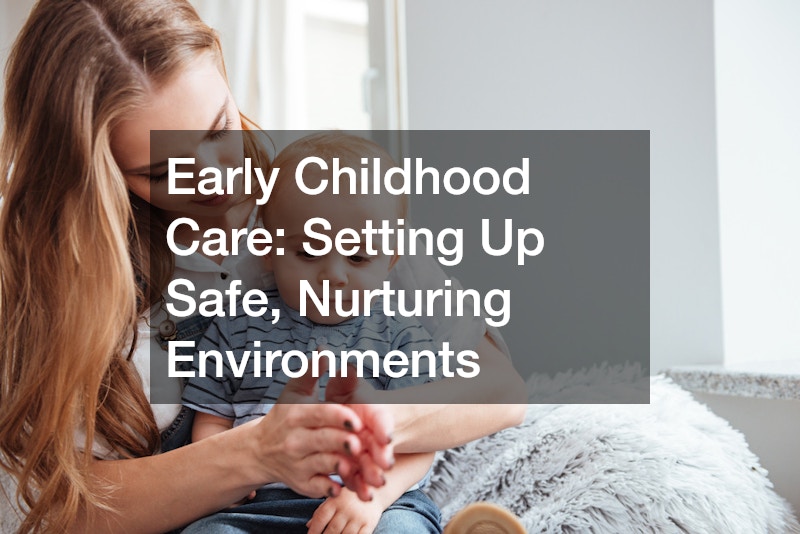
The decisions you make regarding early childhood support directly impact your work productivity, financial planning, and peace of mind. For families with infants, toddlers, or young children, finding reliable options close to home is the first critical pillar of a stable household routine.
Conducting Essential Physical and Safety Audits
When evaluating facilities for your youngest family members, you must look beyond modern decor and impressive play equipment. A structured, hands-on safety audit during your initial visit provides a true picture of daily operations.
- Inspect physical security measures: Confirm that all entry points require biometric access, keycards, or active receptionist buzz-ins. Verify that visitor logs are strictly maintained and that drop-off/pickup zones are physically separated from street traffic.
- Review health and sanitation protocols: Ask to see written cleaning schedules for shared toys, diaper-changing stations, and food prep areas. Look for clear handwashing policies posted for staff and children, especially before meals and after outdoor play.
- Check licensing and ratio compliance: Verify that state license certificates are prominently displayed. Ensure child-to-staff ratios consistently exceed local baseline requirements, particularly in rooms housing infants where immediate, individualized attention is vital.
Evaluating specialized infant care requires paying close attention to sleeping arrangements and caregiver responsiveness. Safe sleep environments must feature individual cribs with firm mattresses, fitted sheets, and zero loose blankets or soft toys. Take note of how quickly staff members respond to distress cues and whether they maintain consistent daily logs tracking feeding times, diaper changes, and nap durations.
Streamlining the Onboarding and Transition Process
Moving a child into a structured daily routine outside the home is a major emotional adjustment for the entire family. Implementing a gradual, planned transition minimizes stress for both children and parents.
- Implement a phased transition schedule: Begin with short, two-hour visits where you remain on-site or nearby. Over two weeks, incrementally extend the time until your child completes a full day, including naptime and meal routines.
- Establish a standardized drop-off ritual: Create a brief, predictable goodbye routine. Prolonging farewells increases anxiety, whereas a quick, confident kiss combined with reassurance of your return builds long-term trust and independence.
- Maintain daily communication loops: Establish clear communication preferences with facility directors. Utilizing digital parent communication apps allows you to receive real-time updates without interrupting the caregivers’ primary focus on the children.
Selecting a reliable daycare service means finding a provider that acts as a true partner in your child’s early development. Pay close attention to staff turnover rates during your visits; long-tenured staff members generally signal a supportive, well-managed environment where your child can form stable, comforting attachments.
Early Education and School-Age Enrichment: Supporting Growth and Learning
As children grow past toddlerhood, family care requirements shift from pure supervision toward structured learning, social development, and educational readiness. Securing high-quality local options for these intermediate years keeps your child engaged while supporting your household work schedule.
Evaluating Curriculum Quality and Social-Emotional Coaching
Choosing an early educational environment requires balancing academic prep with essential social-emotional growth. Visiting classrooms during operational hours allows you to observe how educators handle real-world group dynamics.
- Assess play-based versus academic balance: Look for environments that integrate structured literacy and math concepts into hands-on, play-based activities. Young children retain information best when learning is interactive rather than worksheet-driven.
- Observe conflict resolution techniques: Pay attention to how teachers facilitate sharing, handle tantrums, and guide peer interactions. Effective educators use positive reinforcement and gentle redirection to help children identify and manage their emotions.
- Inspect classroom learning centers: Ensure rooms are organized into clear activity zones—such as reading nooks, sensory tables, block construction areas, and dramatic play corners—that encourage independent exploration and decision-making.
Finding the best preschool for your child involves identifying a setting that aligns with your family’s core values while challenging your child appropriately. Request to observe a circle-time session to see how staff engage diverse learning styles and keep children focused through interactive storytelling and movement.
Auditing Facilities for Operational Excellence and Cleanliness
The physical space where your child spends five days a week directly impacts their physical health and cognitive engagement. Comprehensive facility checks ensure the setting supports healthy growth.
- Evaluate indoor and outdoor space design: Outdoor play structures should sit on impact-absorbing surfaces like poured rubber or deep wood chips. Indoor rooms should feature high ceilings, clear sightlines, and ample natural light.
- Check staff qualifications and professional development: Inquire about ongoing training requirements for lead teachers. High-quality centers invest in continuous education regarding early literacy, positive behavior management, and pediatric first aid.
Choosing among reputable local child care centers means comparing operational schedules, holiday coverage, and inclement weather policies against your workplace demands. Look for centers that offer flexible scheduling options to accommodate unexpected shifts in your professional life.
Extended Learning and Evening Logistics: Managing the After-School Hours
 aw
aw
The end of the traditional school day at 3:00 PM creates an operational gap for working parents whose workdays extend to 5:00 PM or later. Structuring the late afternoon hours with engaging activities prevents home stress and keeps kids productive.
Designing Functional Late-Afternoon Routines
After-school time should strike a deliberate balance between academic support, physical activity, and unstructured downtime to prevent child burnout after a long school day.
- Prioritize homework support structures: Look for facilities that dedicate quiet, supervised time for homework completion. Having trained staff available to assist with difficult assignments reduces homework battles at home during evening hours.
- Ensure diverse activity choices: Program schedules should feature rotation options, including outdoor sports, arts and crafts, STEM projects, and quiet reading areas, catering to varying energy levels after school.
- Verify transportation security: If the program requires transportation from the primary school to the care facility, audit the transport vehicles, driver licensing, booster seat usage, and strict sign-in/sign-out procedures.
Enrolling your child in structured afterschool programs provides a safe, enriching environment during critical out-of-school hours. Ensure the program staff maintains clear communication regarding your child’s daily mood, completed assignments, and peer interactions.
Centralized Primary Healthcare: Building a Household Medical Home
Physical health is the foundation upon which all other family activities rest. Rather than treating healthcare as a collection of random, reactive visits to urgent care facilities, establishing a continuous primary care foundation ensures long-term wellness for every household member.
Selecting a Unified Practice for Multi-Generational Needs
Consolidating your family’s routine medical needs under one practice or network streamlines medical record management, insurance tracking, and preventative care tracking.
- Look for comprehensive practice capabilities: Seek out providers that offer on-site laboratory services, basic diagnostic imaging, and routine immunizations to avoid traveling to multiple facilities for simple testing.
- Evaluate patient portal technology: Modern digital portals let you schedule appointments, view lab results, request prescription refills, and message practitioners directly, saving hours of phone calls.
- Assess appointment flexibility: Determine whether the practice reserves time slots for acute, same-day sick visits, and check if they offer extended evening or weekend hours for working parents.
Partnering with a dedicated primary care doctor creates a long-term medical relationship where your physician understands your family’s health history, genetic risks, and lifestyle factors. This continuity leads to quicker diagnoses and more personalized care plans over time. Go to a family care clinic for support.
Specialized and Acute Medical Support: Preparing for Complex Health Needs

While primary care handles routine checkups and common illnesses, families must also navigate specialized health needs, chronic condition management, and unexpected medical events. Having a clear plan for specialized treatment prevents chaotic decision-making during health crises.
Navigating Outpatient Services and Specialist Networks
When a family member requires targeted treatment—such as pediatric cardiology, physical therapy, or orthopedic care—managing local access efficiently is essential.
- Verify network coverage before booking: Cross-reference specialist referrals with your health insurance provider to confirm in-network status, preventing unexpected out-of-pocket medical bills.
- Organize a centralized physical and digital health binder: Maintain copies of recent bloodwork, imaging reports, specialist summaries, and active medication lists for instant sharing during consultations.
- Prepare specific consultation questions: Write down symptoms, timelines, and questions before specialist visits to maximize your time with the physician and secure actionable treatment steps.
Securing quality medical care requires maintaining proactive oversight of all treatments, prescriptions, and follow-up requirements across different specialized offices.
Senior Care and Adult Support: Protecting Dignity and Independence
Supporting aging parents or elderly relatives within your local community requires balancing their desire for independence with necessary safety interventions. Structuring this support early prevents crises and allows aging family members to remain comfortably in their communities.
Home Assessments and Support Vetting
Enabling seniors to age in place safely begins with auditing their living environment and introducing targeted personal assistance.
- Conduct room-by-room home safety audits: Inspect living spaces for fall hazards. Install bright LED lighting, remove throw rugs, place non-slip mats in bathrooms, and mount sturdy grab bars near toilets and showers.
- Evaluate personal care assistant credentials: When hiring home aides, verify background checks, professional certifications, agency bonding, and specialized training in mobility assistance or dementia care.
- Establish clear care plan parameters: Outline specific expectations for home aides, including meal preparation preferences, medication reminders, light housekeeping tasks, and mobility exercises.
Contracting a reputable elderly care service provides professional assistance tailored to your relative’s exact needs, whether they require a few hours of companion support each week or full-time assistance.
Pet Integration: Maintaining Health and Routine for Household Animals
Pets are integral members of the modern family, and their care logistics require equal attention. Integrating pet care routines into your household master schedule keeps your pets happy and prevents last-minute schedule conflicts.
Vetting Daytime Activity Facilities for Pets
For families working long hours or managing multi-stop schedules, professional pet supervision keeps dogs safe, active, and socialized throughout the day.
- Require comprehensive temperament testing: High-quality facilities evaluate every dog’s social behavior, energy levels, and play style before admitting them to group play spaces.
- Audit facility safety and cleanliness: Inspect pet play areas for secure double-gated entries, resilient non-slip flooring, clear outdoor pickup zones, and active climate control in indoor spaces.
- Verify staff-to-dog ratios and training: Confirm that supervision staff is certified in pet first aid, canine body language, and positive pack management techniques.
Enrolling your dog in a structured dog day care program burns off excess energy, prevents destructive behavior at home, and provides regular socialization while you attend to work and family responsibilities.
Master System Integration: Syncing Routines and Emergency Protocols
Having individual support providers in place is only effective if your family can manage the resulting logistics smoothly. Centralizing schedules and emergency information prevents miscommunications and keeps everyone aligned.
Building a Synchronized Family Calendar System
Managing multiple care providers across children, seniors, and pets requires a shared, real-time schedule accessible by all adult family members.
- Utilize a shared digital calendar platform: Create a color-coded master calendar using platforms like Google Calendar or specialized family organization apps. Assign specific colors to each family member, care facility, and medical practice.
- Conduct weekly family operational syncs: Spend 10 minutes every Sunday reviewing the upcoming week’s schedule, verifying pickup assignments, identifying transport gaps, and adjusting for special events.
- Maintain a central home visual board: Post a large whiteboard in a high-traffic area (such as the kitchen) displaying daily schedules, meal plans, and urgent reminders for quick reference by family members and babysitters.
Building Your Sustainable Family Ecosystem

Managing a modern multi-generational household does not have to mean living in constant chaotic reaction. By systematically researching, vetting, and organizing your local support services, you create a sustainable operational structure that serves every member of your family—from your youngest children to your aging parents and pets.