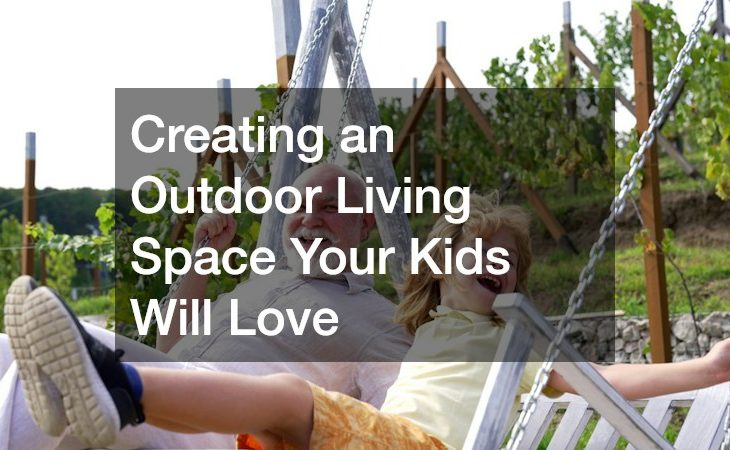
Creating an Outdoor Living Space Your Kids Will Love

Competing with tablets, streaming shows, and video games is one of the defining challenges of modern parenting. Most families want their children to spend more time running barefoot outdoors, yet many backyards sit empty for weeks. Often, the problem is not that kids dislike being outside—it is that the yard lacks purposeful zones inviting curiosity, comfort, and active play. Dropping a single plastic slide onto an open lawn rarely holds a child’s attention past the first month, and an unshaded patio with nowhere comfortable for adults to sit quickly sends everyone back indoors.
Creating an outdoor living space your kids genuinely love requires treating your backyard as an extension of your home rather than an afterthought. The best family yards balance active play zones with calm sensory retreats, durable surfaces, and comfortable gathering spots where parents can relax while keeping an eye on the action. When a yard is designed around safety, shade, and versatility, it naturally draws the whole family outside all week long.
Secure Yard Boundaries Without Blocking Sightlines
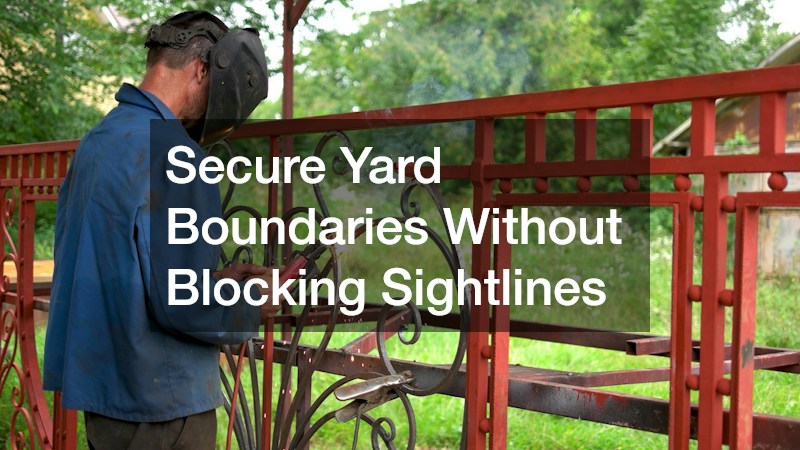
Before bringing in swing sets or lounge furniture, establish a secure perimeter for worry-free play. For parents of younger kids, peace of mind hinges on visibility. Solid walls block your view from the kitchen window, whereas an open-style barrier keeps children safely inside while letting you monitor every corner at a glance.
When planning a kid-friendly enclosure for your yard, focus on details that prevent escapes and climbing hazards:
- Choose narrow picket spacing: Keep vertical gaps under four inches wide to keep toddlers safe.
- Eliminate horizontal footholds: Avoid decorative crossbars near the bottom and middle of the fence that climbers could use as steps.
- Install self-closing, self-latching gates: Position latches at least 54 inches off the ground—out of reach of little hands—and verify hinges shut automatically.
Investing in professional iron fence installation gives families high-tensile strength, longevity, and unobstructed sightlines. Slim vertical rails blend into surrounding greenery while creating a dependable boundary against stray balls and backyard tag.
Clear Overhead Hazards and Create Natural Canopy Play Areas
Mature trees are a priceless asset for a family yard, offering dappled shade and natural anchors for outdoor adventure. However, unmaintained canopies can hide hazards over active play areas. Inspecting your trees before setting up play equipment ensures nature works with your family.
Walk your property with an eye toward both overhead limbs and ground-level roots, addressing trouble spots early:
- Remove deadwood and weak branch unions: Dead or diseased limbs hanging over swing sets, trampolines, or seating areas can snap during storms.
- Raise low-hanging foliage: Prune branches beneath seven feet high along paths to prevent collisions.
- Mulch exposed surface roots: Shallow roots protruding through grass create tripping hazards; cover them with shredded bark mulch for safer running.
Scheduling a visit from a certified tree service allows you to thin dense crowns, remove dead limbs, and evaluate which sturdy branches can support a rope ladder or saucer swing.
Pour Slip-Resistant Grounding for Trikes, Chalk, and Family Dining
Every great family backyard needs a stable, hard-wearing anchor zone right outside the back door. While grass is wonderful for tumbling and field games, children also need a smooth, level surface for riding tricycles, drawing with sidewalk chalk, and steady outdoor dining.
When selecting materials and sizing your main outdoor gathering area, consider daily foot traffic:
- Prioritize high-traction finishes: Opt for broom-finished concrete, textured pavers, or flamed natural stone rather than glossy tiles that turn slick under wet feet.
- Avoid dark, heat-absorbing surfaces: Charcoal slate and dark concrete grow painfully hot under midday sun; lighter tan or gray tones stay cooler on bare soles.
- Design generous traffic lanes: Aim for at least a 14-by-16-foot footprint so kids have an open runway for scooters and chalk alongside dining furniture.
Working with experienced patio contractors ensures your outdoor floor is laid over a compacted base with a subtle slope away from your house, preventing puddles.
Integrate Tiered Seating Walls and Defined Activity Borders
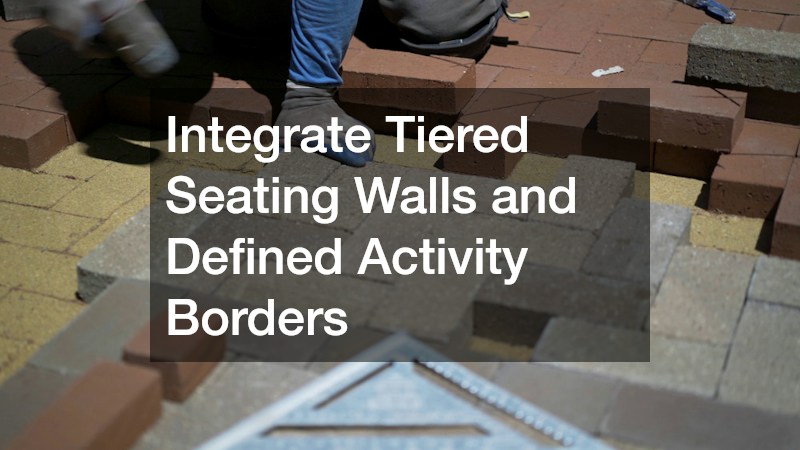
Without subtle physical boundaries, an open backyard quickly turns into toy chaos. Instead of cluttering your space with temporary plastic dividers, use permanent stonework and subtle elevation changes to organize intuitive zones throughout the yard.
Thoughtfully placed masonry features keep play materials contained while offering extra seating and imaginative play opportunities:
- Build kid-height perimeter seat walls: A low stone wall measuring 16 to 18 inches tall frames a gathering area, doubling as seating and a balance beam.
- Install flush stone edging around play pits: Bordering a mulch swing zone or cedar sandbox with mortared stone curbing keeps loose fill inside cleanly.
- Soften every corner: Specify rounded bullnose coping on wall caps and steps so accidental tumbles during energetic games avoid sharp-edge injuries.
Collaborating with skilled hardscaping contractors helps you blend natural stone, brick, or pavers into cohesive borders that look refined while standing up to decades of climbing.
Install Permanent Overhead Shelters for Midday UV Defense
Ask parents why their outdoor living area goes unused between late morning and mid-afternoon, and intense midday heat tops the list. Even the most exciting backyard loses its appeal during peak afternoon sun. Adding a permanent overhead shelter turns a sun-baked patio into a cool outdoor room.
When evaluating structural shade options for a family backyard, look for features that combine UV protection with cooling airflow:
- Compare solid roofs and adjustable louvers: Insulated solid roofs block harsh UV rays and shield furniture from showers, while louvered pergolas let you tilt slats open for sun or close them at noon.
- Mount outdoor-rated ceiling fans: Moving air makes an outdoor space feel up to eight degrees cooler on humid afternoons and keeps flying insects away from plates.
- Protect outdoor toys and cushions: Permanent overhead coverage prevents play kitchens, rugs, and cushions from fading, cracking, or getting soaked overnight.
Consulting reputable patio cover providers ensures your roof structure is properly anchored to your home’s framing or footings, engineered for wind loads, and matched to your home.
Add Retractable Side Barriers to Block Low-Angle Sun and Breezes
While an overhead roof blocks the sun directly above, it cannot stop late-afternoon glare streaming from the west, sudden spring gusts, or hungry mosquitoes arriving around dinner time. Those low-angle elements often force families to pack up board games or abandon an outdoor meal early. Adding flexible vertical barriers gives you instant microclimate control.
Retractable vertical screens transform an open-sided porch or pergola into an adaptable, all-weather family haven with clear sightlines:
- Choose UV-filtering solar mesh: Fabrics with a five to ten percent openness factor block solar heat and glare while letting parents see through the screen to watch kids on the grass.
- Create a calm nap and craft zone: Lowering side barriers cuts wind gusts so younger children can color, build puzzles, or nap in a shaded stroller without papers blowing away.
- Keep bugs out during evening meals: Track-guided side screens seal off your dining perimeter, letting your family enjoy summer dinners outdoors comfortably.
Installing motorized or crank-operated patio shades makes adjusting your outdoor comfort as simple as pressing a button, letting your family stay outside comfortably all afternoon.
Switch to Kid-Safe, Organic Soil and Grass Treatments

A thick, resilient green lawn is the premier open-ended play surface for backyard games and picnics. Yet many parents hesitate to let toddlers and pets roll around on lush grass due to chemical concerns. Fortunately, you can maintain a healthy lawn safely.
Building strong turf from the roots up relies on smart maintenance habits and non-toxic soil care that keep grass soft under heavy foot traffic:
- Overseed with traffic-tolerant grass blends: Introduce hardy, self-repairing varieties like turf-type tall fescue, perennial ryegrass, or Kentucky bluegrass that bounce back quickly from cleats and parties.
- Aerate compacted play paths every fall: Constant running packs down soil and starves roots of oxygen; core aeration pulls soil plugs to loosen ground and improve absorption.
- Mow slightly higher during summer: Setting your mower deck to 3.5 or 4 inches encourages deeper root growth, retains moisture, and shades out weeds naturally.
Partnering with eco-conscious lawn fertilization services that use organic, slow-release nutrients and child- and pet-safe weed control protocols gives you peace of mind, with zero downtime.
Automate Hydration with Recessed, Trip-Free Sprinklers
Heavy daily foot traffic combined with erratic summer heat can quickly turn a soft backyard lawn into dry, prickly straw or muddy ruts. Dragging hoses and oscillating sprinklers across the yard every evening leaves metal nozzles, tangled hoses, and slippery puddles across active play zones. An automated, below-ground system keeps grass lush while keeping play surfaces clear.
Modern residential irrigation hardware can be tailored around active family yards for family safety:
- Specify flush pop-up rotary heads: Choose sprinkler heads that retract completely below turf level when inactive so kids never stub toes or twist ankles on protruding caps.
- Schedule deep early-morning cycles: Program zones to run between 4:00 AM and 6:00 AM so water soaks into the root zone before sunrise, so grass dries before breakfast.
- Install smart rain sensors: Weather-connected controllers skip watering cycles after a storm or before a scheduled party, preventing muddy lawns.
Hiring experienced lawn irrigation companies to map your yard’s sun exposure and separate lawn zones from garden drip lines ensures even coverage throughout the yard.
Plant Non-Toxic Sensory Beds and Interactive Play Nooks
Surrounding your backyard with thorny rose bushes, spiky yuccas, or toxic ornamentals forces parents to spend half their time outside saying “don’t touch.” Flipping that script by designing an interactive, kid-height sensory garden invites children to touch, smell, taste, and explore nature safely. When kids help tend plants of their own, the backyard becomes an outdoor classroom.
Carve out dedicated planting borders and natural play pockets using hardy, non-toxic varieties that reward curiosity:
- Mix engaging textures and scents: Plant velvety lamb’s ear for soft petting, chocolate mint and lemon balm for crushing between small fingers, and rustling feather reed grass.
- Create an edible snacking border: Tuck cherry tomatoes, alpine strawberries, and sugar snap peas along sunny pathways at kid height so children can pick healthy treats off the vine.
- Build a natural boulder scramble and digging zone: Arrange flat-topped boulders for safe climbing and dedicate a shaded corner filled with river rocks, sand, and topsoil.
Working with family-focused landscaping services helps you verify that every shrub, perennial, and groundcover on your property is non-toxic to children and pets.
Wire Weatherproof Power and Low-Voltage Glow for After-Dark Fun
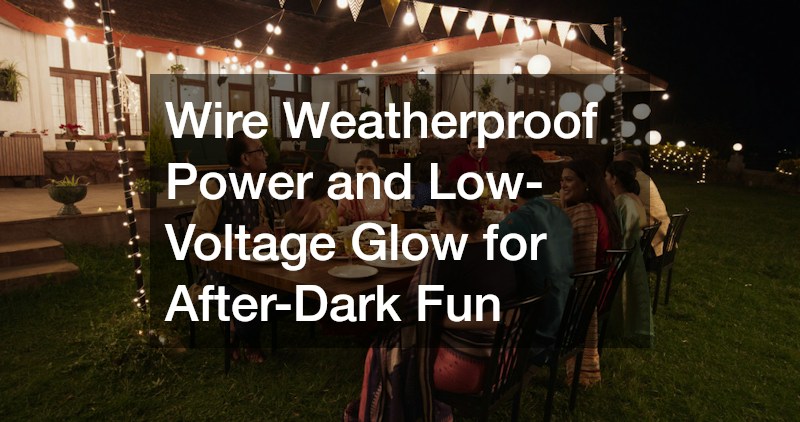
Some of the best childhood memories happen after sunset—catching fireflies, playing flashlight tag, roasting marshmallows, or watching an outdoor movie on a Friday night. Yet many backyards become unsafe at dusk because of dark stairways, trip hazards, and indoor extension cords snaking through a sliding door. Thoughtful exterior power and lighting extend your evening hours safely.
Planning your backyard electrical layout around durability and child safety makes nighttime gatherings effortless:
- Illuminate steps, borders, and pathways: Install warm, downward-facing LED riser lights along patio stairs and low-voltage path lights beside walkways so kids can navigate elevation changes safely.
- Upgrade exterior outlets for child safety: Fit exterior receptacles with tamper-resistant, weatherproof GFCI outlets and heavy-duty in-use bubble covers that keep rain out even when cords are plugged in.
- Hang overhead string lights out of reach: Anchor commercial-grade cafe lights eight to ten feet above seating and play zones to cast a warm glow safely.
Relying on licensed electricians ensures all low-voltage and line-voltage wiring is buried inside protective conduit below digging depth, properly grounded, for years of safe family fun.
Transforming your backyard into an outdoor living space your kids love does not require completing every project in a single weekend. Taking a phased approach leads to smarter decisions and a yard that grows seamlessly alongside your children. Start by establishing the essentials—secure boundaries, safe canopies, durable ground surfaces, and reliable shade—before layering in sensory gardens, automated watering, and evening lighting over time.
Best of all, a well-planned outdoor space naturally evolves with your family’s changing stages. The same level patio that hosts tricycle races and sidewalk chalk murals today will easily transition into a teen hangout zone with outdoor movie nights and dinner parties a decade from now. Grab a notepad this week, walk the yard with your kids to ask what activities excite them most, and sketch out three priority zones to turn your backyard into your family’s favorite room.