
How to Prepare Your Family with a Thoughtful End-of-Life Plan

Planning for the end of life is one of the most meaningful steps a person can take to support their loved ones. While it may feel uncomfortable to think about, thoughtful preparation removes uncertainty, reduces emotional strain, and ensures that personal wishes are respected. It also gives families the clarity they need to focus on remembrance instead of logistics during an already difficult time.
A well-rounded approach includes emotional considerations, financial planning, legal preparation, and decisions about how a life will be honored and remembered. This guide brings all of those elements together, offering practical steps and insights to help individuals and families navigate the process with confidence and care.
Starting the Conversation Early
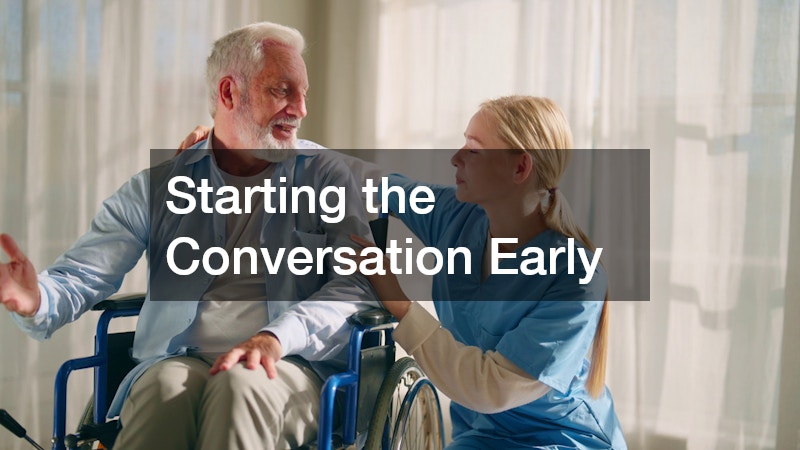
One of the most challenging aspects of end-of-life planning is simply starting the conversation. Many families avoid the topic entirely, which often leads to confusion and disagreement later on. Opening the discussion early allows everyone involved to understand expectations and preferences.
Approaching the conversation with sensitivity is key. Choose a calm setting, speak honestly, and focus on the benefits of planning rather than the discomfort of the subject. Framing it as a way to protect and support loved ones can make the conversation feel more constructive.
Consider discussing:
- Personal preferences for services and memorials
- Financial plans and available resources
- Legal documents and where they are stored
- Individuals responsible for carrying out wishes
Writing these details down ensures that nothing is left to guesswork. Even a simple document outlining preferences can provide significant guidance when the time comes.
For added clarity, consider including step-by-step instructions or checklists, so loved ones can easily follow your wishes without stress or confusion. Attach copies of important documents—such as account information, insurance policies, and contact lists for advisors or service providers—to create a comprehensive resource.
It can also be reassuring to articulate not just the “what” but the “why” behind your choices. Brief explanations can help your loved ones understand your intentions and make decisions confidently in unexpected situations. By making your motivations clear, you minimize the risk of misunderstandings and help ensure your legacy is honored as you envision it.
Review and update your documentation regularly, especially after major life changes, to keep it accurate and relevant.
Choosing the Right End-of-Life Services
Selecting how a life will be honored is a deeply personal decision. Many families begin by exploring local funeral homes to understand available options and services. These providers can guide families through everything from traditional ceremonies to more modern, personalized approaches.
Another common option is a cremation service, which offers flexibility in how remains are handled and memorialized. Some families prefer the simplicity and cost-effectiveness, while others appreciate the ability to create unique remembrance experiences.
When evaluating options, consider:
- Religious or cultural traditions
- Budget and financial planning
- Desired level of formality
- Location and accessibility for guests
It’s also helpful to ask providers specific questions:
- What services are included in each package?
- Are there customization options available?
- What support is provided to families during the planning process
Taking time to explore these options ensures that the chosen approach aligns with both personal wishes and practical considerations.
Consulting with professionals, such as funeral directors or cultural advisors, can provide valuable insights and help answer any questions that arise during the decision-making process. Gathering input from family members can also foster a sense of inclusion and shared understanding, making it easier for everyone to feel confident in the final choices.
Additionally, researching providers’ reputations, reading reviews, and visiting facilities in person can help you make informed decisions that reflect your values and needs. Don’t hesitate to ask about flexible arrangements or accommodations for unique traditions, as many providers are willing to support personalized requests.
Personalizing the Ceremony Experience
A meaningful ceremony reflects the life, personality, and values of the individual being honored. Personalization transforms a standard service into a powerful tribute that resonates with family and friends.
There are many ways to create a memorable experience:
- Incorporating favorite music or readings
- Displaying photos and personal mementos
- Sharing stories and reflections from loved ones
- Creating themed elements that reflect hobbies or passions
Floral arrangements also play a significant role. A casket spray flower arrangement, for example, can be designed to reflect favorite colors, flowers, or symbolic meanings. These details, though subtle, contribute to the service’s overall tone and emotional impact.
The goal is not to create something elaborate, but something authentic. Even simple, thoughtful touches can leave a lasting impression and provide comfort to those in attendance.
Consider inviting attendees to share their own memories or anecdotes, either during the service or in a shared memory book. Incorporating elements such as favorite foods, meaningful rituals, or custom keepsakes can make the experience even more personal. Small gestures—like distributing seed packets to plant in memory, playing a favorite song, or displaying artwork created by the individual—add layers of meaning and help people feel more connected during the ceremony.
Personalization fosters a sense of celebration and remembrance, ensuring the ceremony is a heartfelt tribute that truly reflects the individual’s unique life story.
Organizing Financial and Legal Foundations

Proper legal and financial planning ensures that wishes are carried out smoothly and that loved ones are not left navigating complex systems alone. Working with estate attorneys can help structure a plan that aligns with both personal goals and legal requirements.
An estate planning attorney can assist with essential documents such as:
- Wills outlining asset distribution
- Trusts for managing and protecting assets
- Power of attorney designations
- Healthcare directives
These documents provide clarity and authority, reducing the likelihood of disputes or confusion. They also ensure that decisions are made in line with the individual’s preferences, even when they are unable to communicate them directly.
Key considerations include:
- Keeping documents updated as life circumstances change
- Clearly communicating plans with family members
- Storing documents in a secure, accessible location
Taking these steps creates a solid foundation that supports both emotional and practical needs.
Proactively organizing and maintaining records can prevent confusion when loved ones need to access important information. Consider creating a master file or digital folder that includes all relevant legal and financial documents, along with instructions for locating and using them. Share the location of this file with trusted individuals, and maintain a list of key contacts—such as attorneys, financial advisors, and account representatives—so help is always within reach.
Regularly reviewing these documents, especially after major life events, ensures that your plans stay up to date and reflect your current wishes. This level of organization and communication not only streamlines the process for your loved ones but also provides peace of mind for everyone involved.
Navigating Legal Challenges After Loss
Even with careful planning, legal complexities can arise after a loss. Probate is the process through which a person’s estate is settled, and it can involve multiple steps and potential challenges.
In some cases, families may need the guidance of a probate litigation lawyer to address disputes or clarify legal matters. These situations often involve disagreements over asset distribution, document interpretation, or unresolved debts.
To minimize complications:
- Ensure all documents are clear and legally valid
- Keep records organized and accessible
- Communicate intentions openly with beneficiaries
Families can also benefit from understanding the basics of probate:
- It involves validating the will
- Assets are identified and distributed
- Debts and taxes are settled
Being informed about the process helps families navigate it more confidently and reduces unnecessary stress during an already difficult time.
It can also be beneficial to attend informational seminars or workshops offered by legal professionals, community organizations, or local service providers. These resources often provide practical tips, answer common questions, and demystify complex procedures. In addition, many courts and government agencies provide online guides and checklists that outline the probate process for your region.
Seeking support from bereavement groups or counselors can also help families manage the emotional aspects that often accompany legal proceedings. By combining education, professional guidance, and emotional support, families are better equipped to face challenges and make decisions with greater assurance.
Creating a Lasting Physical Tribute
Physical memorials provide a place for reflection, remembrance, and connection. They serve as a lasting representation of a person’s life and legacy.
A custom memorial gravestone allows families to create something deeply personal. From inscriptions to design elements, every detail can reflect the individual’s story.
Similarly, a custom headstone offers flexibility in style, material, and messaging. Whether simple or elaborate, the design should feel meaningful and appropriate.
When planning a memorial, consider:
- The location and setting
- Materials that will stand the test of time
- Symbols or imagery that hold personal significance
- Budget and long-term maintenance
Taking the time to thoughtfully design a memorial ensures it remains a meaningful tribute for generations. Involving family and friends in the design process can add additional layers of significance—inviting them to suggest inscriptions, select meaningful symbols, or contribute ideas for the overall theme fosters a sense of shared legacy. Consider choosing materials and designs that reflect the individual’s heritage, interests, or values. Some families also incorporate technology, such as QR codes linking to online memorial pages, personal stories, or photo galleries, to create a dynamic and lasting tribute.
Beyond physical attributes, consider how the memorial space will be used over time. Planning for anniversaries, special gatherings, or quiet moments of reflection can help ensure the site continues to bring comfort and connection long after its installation.
Understanding Memorial Installation and Maintenance

After selecting a memorial, the next step involves installation and ongoing care. Working with providers that offer monuments such as local headstone services ensure that the process is handled professionally and in accordance with cemetery guidelines.
There are often specific regulations regarding:
- Size and placement
- Materials and design
- Installation procedures
Monuments, in particular, may require additional considerations due to their size and complexity. Understanding these requirements in advance prevents delays and ensures a smooth process.
Maintenance is equally important. Over time, weather and environmental factors can affect the condition of a memorial. Regular care helps preserve its appearance and integrity.
Basic maintenance tips include:
- Cleaning surfaces with appropriate materials
- Inspecting for cracks or damage
- Addressing repairs promptly
A well-maintained memorial continues to honor a loved one’s legacy with dignity and care.
Balancing Emotional and Practical Decisions
Planning during times of loss can feel overwhelming. Balancing emotional needs with practical responsibilities is one of the most challenging aspects of the process.
It’s important to recognize that:
- Grief affects decision-making
- Not every choice needs to be made immediately
- Support from others can make a significant difference
Delegating tasks among family members can help distribute responsibilities and reduce individual stress. Creating a simple checklist of priorities can also provide structure and clarity.
When needed, don’t hesitate to seek professional guidance. Whether from service providers, legal advisors, or counselors, support systems are there to help families navigate the process.
Building a Comprehensive End-of-Life Plan
A complete plan brings together all aspects of preparation, ensuring nothing is overlooked. It combines personal wishes, legal documentation, financial considerations, and logistical details into a cohesive framework.
Key components include:
- Documented preferences for services and memorials
- Updated legal and financial documents
- Clear communication with family members
- Organized records and contact information
It’s also important to revisit and update plans periodically. Life changes, and plans should evolve accordingly.
Creating a centralized location for all information ensures that loved ones can easily access what they need when the time comes.
Supporting Loved Ones Through the Process
Ultimately, end-of-life planning is about supporting the people you care about most. By taking proactive steps, you provide clarity, reduce uncertainty, and create space for meaningful remembrance.
Preparation allows loved ones to:
- Focus on honoring and celebrating a life
- Avoid difficult decisions during emotional moments
- Navigate responsibilities with confidence
Encouraging open communication within families strengthens understanding and ensures that everyone feels included in the process.
Planning, honoring, and preserving a legacy is a deeply personal journey. While the process may feel complex, taking it step by step makes it manageable and meaningful. By preparing in advance, making thoughtful decisions, and involving trusted professionals, you create a foundation that supports both practical needs and emotional well-being.
In the end, it’s not just about planning for what happens next. It’s about ensuring that a life is remembered, respected, and honored in a way that truly reflects its impact.